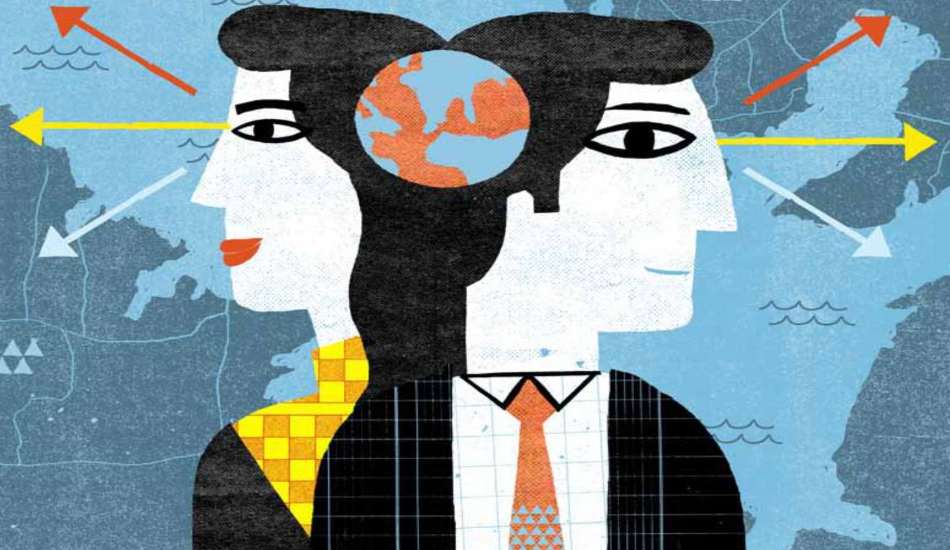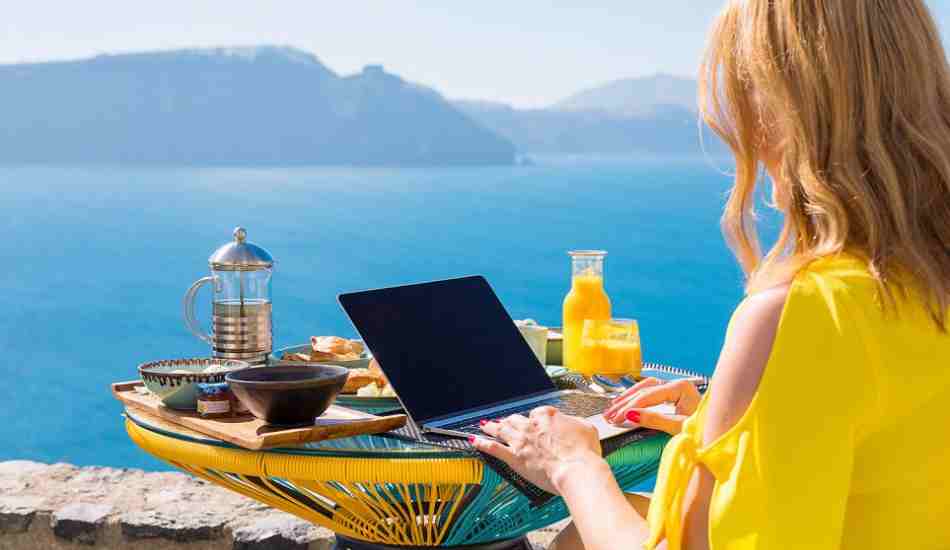
Here’s how remote work is changing global travel right now and why it feels like the future arrived early.
The Digital Nomad Boom Is Real (and Still Growing)
Digital nomads aren’t a niche group anymore—they’re everywhere. Millions of people work fully remote, so instead of squeezing life into two-week holidays, they live in a place for 1–6 months (or longer). Popular spots in 2026 include Bali (still king for vibe and cost), Lisbon and Porto (Europe’s chill hubs), Medellín and Bogotá (Latin America’s rising stars), Tbilisi (affordable and welcoming), and even places like Cape Town or Chiang Mai.

What’s new this year? More families are doing it—parents working while kids do online school—and “slowmad” lifestyles (longer stays, fewer moves) are winning over constant hopping.
Slow Travel Is the New Normal
Remember cramming 10 cities into 10 days? That’s fading fast. How remote work is changing global travel means people now stay long enough to actually live somewhere. They learn a bit of the language, find favorite local spots, make friends, join co-working spaces, and feel part of the rhythm instead of just passing through.
It’s less stressful, cheaper (monthly rentals beat hotels), and honestly more rewarding. You come home with real stories, not just photos.
Countries Are Rolling Out the Welcome Mat with Visas
Governments saw the money flowing in and responded. Over 60 countries now offer digital nomad visas or remote work permits in 2026—Portugal’s still popular, but newer ones like Malaysia’s DE Rantau, Croatia’s, Costa Rica’s, and even India’s own remote work visa pilots are making headlines. Requirements are usually straightforward: proof of income (often $2,000–$4,000/month), health insurance, and no local job.
These visas let you stay 6 months to 2 years legally, pay taxes where you live (or not, depending on rules), and treat the place like home base.

Travel Spots Are Built for Work Now
Airbnbs, boutique hotels, and hostels advertise “high-speed Wi-Fi + dedicated workspace” like it’s standard. Co-working cafes with day passes, ergonomic chairs, and strong coffee are popping up in smaller towns. Even beaches in Goa or Kerala have pop-up nomad hubs with reliable internet and power backups.
Businesses get it: remote workers aren’t flash tourists—they stay longer, spend steadily on rent, food, gyms, local experiences, and services. That steady cash flow is gold for local economies.
Lifestyle Choices Over Tourist Checklists
People pick destinations based on real-life fit: good weather year-round, low cost of living, safety for families, strong nomad communities, nature nearby, or even vegan food scenes. Sightseeing is a bonus, not the main goal.
You might choose Georgia for mountains and cheap wine, Thailand for beaches and street food, or Portugal for walkable cities and mild winters—all while keeping your job.
The Flip Side: It’s Not All Perfect
Time zones can be brutal (early calls from Asia to US clients hurt), loneliness creeps in when you miss deep roots, and balancing work + exploration takes discipline. Visa rules change, internet fails sometimes, and culture shock is real. Smart nomads plan buffers, build routines, and stay connected to home.
Final Thoughts on How Remote Work Is Changing Global Travel
Remote work didn’t just add flexibility—it turned travel into a lifestyle, not an escape. How remote work is changing global travel in 2026 is making the world feel smaller, more accessible, and way more livable. You’re not just visiting places anymore; you’re living in them, contributing to them, and growing through them.